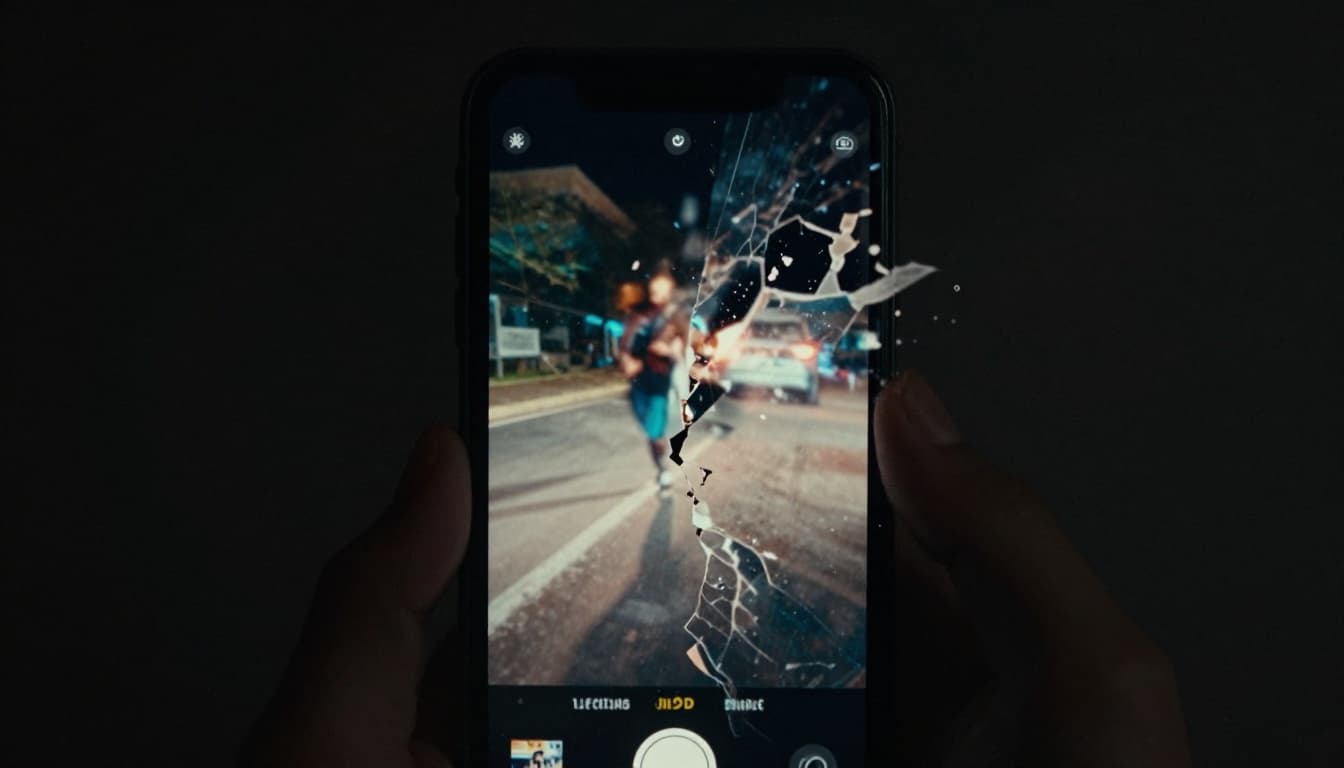
The Death of the Feed: How Stories, Reels, and Live Content Are Replacing Static Posts
There was a time when the social media feed was the undisputed center of the online experience. Users would carefully curate a grid of polished photos, craft the perfect caption, and measure success by the number of likes that accumulated beneath each post. That era is rapidly coming to an end. In 2026, the traditional static feed post has been relegated to a supporting role, overtaken by formats that prioritize movement, immediacy, and authenticity. Stories vanish after 24 hours, Reels compete for attention in an endless vertical scroll, and live streams offer raw, unfiltered connection in real time. The platforms themselves have made their preferences clear — Instagram, TikTok, YouTube, and Facebook all algorithmically favor dynamic content over static images. For creators and brands who built their entire strategy around the curated feed, this shift represents both a challenge and an extraordinary opportunity. Understanding why the feed is dying and what is replacing it is no longer optional — it is the key to staying visible, relevant, and profitable in the new social media landscape.
How the Feed Became King in the First Place
To understand the death of the feed, it helps to understand how it became dominant in the first place. When Instagram launched in 2010, it was built entirely around the photo feed. Users posted square images with vintage-style filters, and the feed displayed them in simple chronological order. The format was intuitive, accessible, and perfectly suited to the smartphone camera revolution that was just beginning. Over the next several years, the feed became the primary arena for personal expression, brand marketing, and influencer culture. Entire industries emerged around feed aesthetics — preset sellers, grid planners, and content consultants who helped brands maintain a visually cohesive presence. The feed rewarded perfection. Every image was permanent, every caption was considered, and the grid as a whole told a deliberate visual story. This era produced stunning content but also created immense pressure on creators to maintain an impossibly high standard of polish, which planted the seeds of the burnout and authenticity crisis that would eventually drive users toward more spontaneous formats.
The Rise of Stories and Ephemeral Content
Snapchat introduced the concept of disappearing content in 2011, but it was Instagram's adoption of Stories in 2016 that truly transformed the social media landscape. Stories offered something the feed never could — permission to be imperfect. Because Stories vanished after 24 hours, users felt free to share casual moments, unpolished thoughts, and behind-the-scenes glimpses without worrying about how they fit into their carefully curated grid. The format exploded in popularity almost overnight. Within two years, more people were posting Stories daily than posting to their feed, and the gap has only widened since. By 2026, Stories have become the default mode of sharing for the majority of social media users. The psychological appeal is straightforward — ephemeral content lowers the stakes of posting, encourages more frequent sharing, and creates a sense of urgency that drives consistent viewership. For creators, Stories have become the primary tool for maintaining daily connection with their audience without the production burden of creating feed-worthy content every single day.
Reels and the Short-Form Video Revolution
If Stories chipped away at the feed's dominance, short-form video delivered the decisive blow. TikTok's explosive growth demonstrated that audiences have an insatiable appetite for brief, engaging video content served through an algorithmically curated discovery feed. Instagram responded with Reels, YouTube launched Shorts, and Facebook integrated short-form video across its platform. By 2026, short-form video accounts for the majority of content consumption on every major social media platform. The shift is driven by both user behavior and platform economics. Video content generates significantly higher engagement than static images, keeps users on the platform longer, and provides more opportunities for advertising insertion. The algorithms reflect these incentives by giving Reels and Shorts dramatically greater reach than static posts. A creator who posts a photo to their feed might reach 10 to 15 percent of their followers. The same creator posting a Reel can reach multiples of their total follower count through algorithmic distribution to non-followers. This reach disparity has made the strategic calculus obvious for anyone paying attention.
Live Streaming and the Demand for Authenticity
Live content represents the furthest possible departure from the polished, curated feed. There are no filters, no edits, no second takes. What the audience sees is exactly what is happening in real time, mistakes and all. This rawness is precisely what makes live streaming so compelling in an era when audiences are increasingly skeptical of manufactured content. Live streams on Instagram, TikTok, YouTube, and Twitch create a sense of intimacy and immediacy that no pre-recorded format can replicate. Viewers can ask questions, react in real time, and feel like they are genuinely interacting with the creator rather than passively consuming a finished product. For creators, live content builds trust and deepens audience relationships in ways that static posts simply cannot match. The engagement metrics reflect this — live streams consistently generate higher comment rates, longer watch times, and stronger emotional responses than any other content format. Platforms have responded by adding monetization features like live gifts, badges, and shopping integrations that make live streaming not just an engagement tool but a direct revenue channel.
Why the Algorithm Abandoned the Feed
The shift away from static posts is not just a cultural trend — it is an algorithmic reality engineered by the platforms themselves. Social media companies optimize for a single overriding metric: time spent on platform. Every product decision, every algorithm update, and every feature launch is evaluated against this standard. Static image posts are consumed quickly. A user scrolls past a photo in one to three seconds, maybe pauses to read a caption, and moves on. Video content, by contrast, captures and holds attention for significantly longer periods. A 30-second Reel that hooks a viewer keeps them engaged ten times longer than a static post. Stories encourage habitual daily check-ins as users tap through updates from the accounts they follow. Live streams can hold viewers for minutes or even hours at a time. From the platform's perspective, prioritizing these formats over static posts is not a creative choice — it is a business imperative. The algorithm gives more reach to the content that keeps users engaged longer because engaged users see more ads and generate more revenue.
The Impact on Creators and Content Strategy
For creators who built their careers on the curated feed, this shift has been disorienting. Skills that were once essential — flat lay photography, grid planning, color palette consistency — have become secondary to skills like on-camera presence, video editing, storytelling in motion, and real-time audience interaction. The transition has not been easy for everyone. Visual artists, photographers, and design-focused creators have struggled to adapt their talents to video-first formats that seem to reward personality over polish. However, the creators who have successfully navigated this transition report that their businesses are stronger than ever. Video and ephemeral content allow for deeper audience connection, faster growth through algorithmic discovery, and more diverse monetization opportunities. The key is to stop thinking of the feed as the destination and start treating it as one component of a broader content ecosystem that spans Stories, Reels, live streams, and increasingly, off-platform channels like newsletters and podcasts.
Static Posts Are Not Dead Yet
Despite the dramatic shift toward dynamic formats, it would be premature to declare the static feed post entirely obsolete. Feed posts still serve important functions that other formats cannot fully replicate. They provide a permanent archive of your best work, serve as a visual portfolio for potential brand partners and collaborators, and offer a format for detailed, text-heavy content that does not translate well to video. Carousel posts — multi-image or multi-slide posts that users swipe through — have experienced a resurgence precisely because they combine the permanence of the feed with the interactive, engaging quality of dynamic content. Educational carousels, infographic series, and storytelling sequences consistently perform well because they encourage users to spend more time on each post. The smartest creators in 2026 are not abandoning the feed entirely — they are being more selective about what they post there, reserving it for their highest-quality, most evergreen content while using Stories, Reels, and live streams for daily engagement and discovery.
How Brands Are Adapting Their Strategies
The brand marketing world has been forced to fundamentally rethink its approach to social media as static posts lose effectiveness. Campaign strategies that once centered on a series of polished feed posts with carefully art-directed photography are being replaced by integrated content plans that prioritize video-first storytelling across multiple formats. Brands are allocating larger portions of their influencer marketing budgets to Reels, TikTok videos, and Story takeovers because the data consistently shows that these formats drive higher engagement, better recall, and stronger purchase intent than static sponsored posts. The production model has shifted accordingly — instead of one expensive photoshoot producing a dozen feed images, brands are investing in agile content creation that produces a high volume of short-form video assets optimized for each platform. User-generated content and creator partnerships have become more valuable than ever because they deliver the authenticity and relatability that audiences demand and that polished brand-produced content often lacks.
The Role of AI in the Content Shift
Artificial intelligence is accelerating the transition away from static content in several significant ways. AI-powered editing tools have dramatically lowered the barrier to creating professional-quality video content. Features that once required hours of manual editing — smooth transitions, color grading, caption generation, background music matching — can now be accomplished in minutes with AI assistance. This democratization of video production means that creators who previously lacked the technical skills for video can now compete effectively in video-first formats. On the consumption side, AI-driven recommendation algorithms have become extraordinarily sophisticated at predicting which short-form videos will capture a specific user's attention, making the Reels and TikTok discovery feeds incredibly effective at surfacing relevant content. The result is a self-reinforcing cycle: AI makes video easier to create and more effectively distributed, which drives more creators toward video, which generates more data for the AI to improve its recommendations, which further increases the dominance of video over static content.
What This Means for New Creators Starting in 2026
If you are launching a creator career in 2026, the strategic implications of this shift are clear. Building your strategy around the static feed is like opening a video rental store in the age of streaming — the format still exists, but the momentum is entirely elsewhere. New creators should prioritize developing their skills in short-form video creation, on-camera communication, and real-time audience engagement before investing heavily in feed aesthetics. Your first thousand followers will almost certainly come from Reels or TikTok videos that reach non-followers through algorithmic distribution rather than from feed posts that are limited to your existing audience. Learn to tell stories in 30 to 90 seconds. Get comfortable being on camera. Practice going live even when your audience is small. Build the habit of posting Stories daily to stay connected with the followers you gain. The feed should be treated as a curated highlight reel of your best work — updated regularly but not obsessively. The real growth engine in 2026 is dynamic content, and the sooner you embrace that reality, the faster your audience will grow.
The Future of Social Media Formats
Looking ahead, the trend toward dynamic, immersive content shows no signs of slowing down. Augmented reality integrations are making Stories and Reels more interactive and visually spectacular. Platforms are experimenting with spatial and three-dimensional content formats that go beyond the flat screen entirely. Interactive features like polls, quizzes, and choose-your-own-adventure style content are blurring the line between content consumption and participation. The next frontier is likely to involve even deeper audience participation — collaborative content creation, real-time co-creation between creators and their audiences, and AI-assisted personalization that serves different versions of the same content to different viewers based on their preferences. The static, one-size-fits-all feed post has no place in this increasingly dynamic and personalized future. The creators and brands that recognize this trajectory now and begin building the skills and strategies to thrive in it will have a significant advantage over those who cling to the comfort of what worked five years ago.
Conclusion
The death of the feed is not a sudden event but a gradual transformation that has been unfolding for years and has reached a tipping point in 2026. Stories normalized casual, ephemeral sharing and broke the tyranny of the perfect grid. Reels and short-form video captured the audience's attention and rewired the algorithms that determine who sees what. Live streaming introduced a level of authenticity and real-time connection that static content simply cannot deliver. Together, these formats have redefined what it means to be successful on social media. The feed is not entirely gone, and it still has a role to play as a curated portfolio and permanent archive. But it is no longer the center of gravity. If your content strategy still revolves primarily around static feed posts, you are building on a foundation that is steadily eroding. The future belongs to creators who can move fluidly between formats, tell compelling stories in motion, and connect with their audiences in real time. Adapt to the new reality, and you will not just survive the death of the feed — you will thrive in whatever comes next.