Digital Nomad Branding: How to Build an Authentic Personal Brand While Traveling the World
The digital nomad lifestyle has evolved from a fringe movement into a mainstream career path embraced by millions of professionals, freelancers, and content creators around the globe. In 2026, remote work infrastructure has matured to the point where building a successful career from a laptop in Lisbon, Bali, or Medellin is not only possible but increasingly common. Yet while the freedom of location independence is intoxicating, it presents a unique branding challenge that many nomads struggle to solve. How do you build a consistent, recognizable personal brand when your environment, routine, and even your timezone change every few weeks? The creators and entrepreneurs who have cracked this code understand that the nomadic lifestyle itself is not an obstacle to strong branding — it is actually one of the most powerful brand assets available when leveraged correctly. Building an authentic personal brand while traveling the world requires intentionality, strategic thinking, and a willingness to let your audience into the real experience of a life in motion rather than just the Instagram-perfect highlights.
Defining What Your Brand Actually Stands For
Before you post a single photo from a rooftop cafe in Bangkok, you need to answer a fundamental question: what is your brand actually about? Too many digital nomads default to making travel itself the core of their brand, which creates two problems. First, the travel content space is extraordinarily saturated, making it difficult to stand out. Second, building a brand solely around travel limits your long-term options because your audience expects constant movement and exotic locations, which is neither sustainable nor always desirable. The strongest digital nomad brands use travel as a backdrop rather than the main story. Your core brand should be built around your expertise, your perspective, or the transformation you help your audience achieve. You might be a web developer who shares coding tutorials from different countries, a marketing strategist who documents building a remote business, or a wellness coach who explores mindfulness practices across cultures. Travel enriches your content and makes it visually compelling, but your expertise is what makes people follow you and keep coming back.
Creating a Consistent Visual Identity on the Move
Visual consistency is one of the cornerstones of strong branding, and it is also one of the hardest things to maintain when your surroundings change constantly. A creator based in one city can build a cohesive aesthetic around familiar locations, a home studio setup, and consistent lighting conditions. A digital nomad has none of these luxuries. The solution is to anchor your visual identity in elements you control regardless of location. Choose a consistent color palette for your graphics, templates, and text overlays that travels with you across every destination. Use the same fonts, logo placement, and editing presets across all your content. Invest in a portable lighting setup — even a simple ring light — so your face and presentation look consistent whether you are filming in a bright Airbnb in Tulum or a dimly lit apartment in Berlin. Your profile photos, banner images, and highlight covers should all reflect a unified visual language that makes your brand immediately recognizable in a crowded feed, no matter where in the world the content was created.
Storytelling That Goes Beyond Sunset Photos
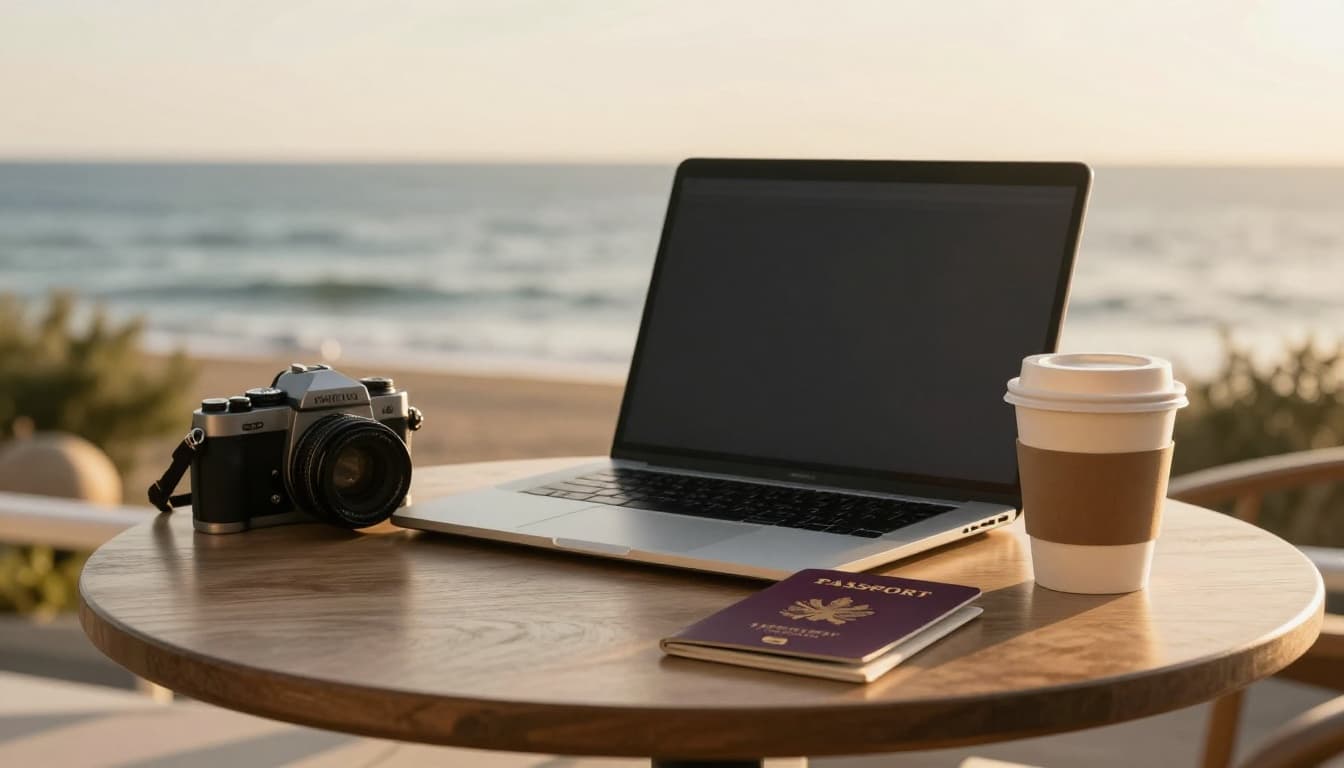
The digital nomad space is flooded with generic content — laptop-on-the-beach photos, sunset shots from infinity pools, and captions about living your best life. This type of content might generate some initial engagement, but it does not build a lasting brand because it lacks depth and differentiation. Authentic storytelling is what separates forgettable travel content from a brand that people genuinely connect with. Share the real experience of nomad life, including the challenges that most people gloss over. Talk about the loneliness of constantly leaving communities behind. Be honest about the difficulty of maintaining productivity when you are navigating a new city every month. Discuss the logistical nightmares — the unreliable wifi that almost cost you a client, the visa complications you did not anticipate, the culture shock that caught you off guard. This kind of vulnerable, honest content resonates far more deeply than polished highlight reels because it reflects the reality your audience is curious about and creates genuine emotional connection.
Developing a Content Strategy That Survives Travel Chaos
Consistency is the bedrock of any successful personal brand, and it is the area where digital nomads struggle the most. Travel days, timezone shifts, unreliable internet, and the constant stimulation of new environments all conspire to disrupt your content schedule. The creators who maintain consistency on the road do so by building systems that are resilient to chaos. Content batching is essential — use the days when you are settled in a comfortable workspace to create a week or two of content in advance. Build a content bank of evergreen posts, templates, and pre-written captions that you can deploy during travel days or weeks when your creative energy is low. Use scheduling tools like Later, Buffer, or Metricool to queue your content so it publishes on time regardless of whether you are on a twelve-hour bus ride through Vietnam or dealing with jet lag in Tokyo. The goal is to decouple content publication from content creation so that your brand remains active and consistent even when your personal schedule is anything but.
Leveraging Location as a Content Multiplier
While your brand should not be built entirely on travel, your changing locations are a genuine competitive advantage when used strategically. Each new destination provides fresh visual content, unique cultural perspectives, and natural story hooks that creators in fixed locations simply cannot replicate. The key is to integrate location into your core content rather than treating it as a separate category. If your brand is about freelance business strategy, create a post about negotiating client rates from a coworking space in Lisbon and weave in observations about the local startup ecosystem. If you teach photography, film a tutorial using the stunning architecture of Prague as your subject matter. If you are a fitness creator, showcase a workout routine adapted for a small apartment in Tokyo. This approach gives your audience the visual appeal and aspirational quality of travel content while reinforcing your core expertise. Location becomes a content multiplier that makes your existing topics more engaging and visually diverse without diluting your brand message.
Building Community While Constantly Moving
One of the greatest challenges of the digital nomad lifestyle is the difficulty of building deep, lasting relationships — both personal and professional. This challenge extends to your brand as well. Audience building requires consistent interaction and a sense of community, which can be hard to cultivate when you are always in transit. Prioritize community-building activities that are not dependent on physical location. Host regular live sessions or Q&A streams that give your audience real-time access to you regardless of where you are. Create a private community space — a Discord server, a Telegram group, or a membership platform — where your most engaged followers can interact with you and with each other. Engage consistently in your comments and direct messages during dedicated time blocks each day. Attend local creator meetups and coworking events in every city you visit, and document these connections on your channels. These efforts create a sense of continuity and belonging that transcends geography and makes your audience feel like they are part of your journey rather than passive spectators watching from the outside.
Managing Multiple Time Zones Without Losing Your Mind
Time zone management is a practical challenge that has real implications for your brand. If your primary audience is in North America but you are currently based in Southeast Asia, posting at optimal engagement times means publishing content in the middle of your night. This is where scheduling tools become non-negotiable. Study your analytics to identify when your audience is most active, and schedule your posts to align with those windows regardless of your current local time. For live content, find a compromise — perhaps a weekend morning stream that corresponds to your audience's evening. Be transparent with your audience about your timezone situation. Most followers find it endearing and interesting rather than inconvenient. You can even turn it into content by sharing your daily routine in different time zones or showing how you structure your workday when you are twelve hours ahead of most of your audience. What matters is that your content reaches your audience at the right time, even if it was created at an entirely different hour.
The Coworking Space as a Branding Opportunity
Coworking spaces have become the unofficial headquarters of the digital nomad movement, and they represent an underutilized branding opportunity for creators. The best coworking spaces around the world — from Hubud in Bali to Second Home in Lisbon to KoHub in Thailand — are filled with ambitious, interesting people building remarkable projects. Positioning yourself within these communities and documenting the experience adds a layer of credibility and aspiration to your brand. Film content in these spaces, interview fellow nomads about their journeys, and showcase the collaborative energy that makes coworking culture unique. Partner with coworking spaces for mutual promotion — many are eager to be featured in creator content in exchange for free or discounted membership. Beyond the content opportunities, the relationships you build in coworking spaces often lead to collaborations, referrals, and friendships that enrich both your brand and your personal experience. Every coworking space you visit is a potential content goldmine and networking hub rolled into one.
Handling the Authenticity Question
Digital nomad creators face a persistent credibility challenge: the perception that their lifestyle is either unattainably privileged or fundamentally unsustainable. Audiences are increasingly skeptical of content that presents nomad life as an effortless paradise, and brands that lean too heavily into the aspirational fantasy risk alienating the very people they are trying to reach. The solution is radical transparency about the financial, emotional, and logistical realities of location-independent life. Share your actual budget breakdowns for different cities. Talk about the months when income was tight and you had to make difficult decisions. Discuss the health insurance complications, the tax complexities, and the relationships that strained under the weight of constant distance. This transparency does not diminish your brand — it strengthens it by establishing trust and demonstrating that your advice and perspective come from genuine experience rather than a carefully constructed facade. Audiences in 2026 are sophisticated enough to recognize performative authenticity, so the only sustainable strategy is the real thing.
Monetizing a Nomadic Personal Brand
A strong personal brand opens multiple revenue streams that are particularly well-suited to the digital nomad lifestyle. Digital products — ebooks, online courses, templates, and guides — are ideal because they generate passive income that is not tied to your physical location or daily availability. Consulting and coaching services can be delivered via video call from anywhere in the world. Brand partnerships and sponsored content are natural fits for nomad creators because brands in the travel, tech, remote work, and lifestyle spaces are actively seeking creators who embody the location-independent lifestyle. Affiliate marketing for tools, apps, and services you genuinely use while traveling provides a steady supplemental income stream. Newsletter sponsorships are growing rapidly and offer predictable revenue for creators with engaged email lists. The key to sustainable monetization is diversification — never rely on a single income stream, especially one that is tied to a specific platform. Build a portfolio of revenue sources that collectively provide financial stability and allow you to continue traveling without the constant anxiety of wondering where next month's rent will come from.
Protecting Your Brand During Travel Disruptions
Even the most experienced digital nomads encounter disruptions that threaten their content consistency — lost luggage containing your camera gear, a bout of food poisoning that knocks you out for a week, a flight cancellation that leaves you stranded without reliable internet. Preparing for these inevitable disruptions is part of building a resilient nomad brand. Maintain a buffer of pre-created content that can cover at least two weeks of publishing if you are suddenly unable to create new material. Back up all your important files, presets, templates, and brand assets to the cloud so you can access them from any device. Have a communication plan for your audience — a simple Story or post explaining the situation is almost always received with empathy and understanding. Consider investing in backup equipment, even if it is just a smartphone tripod and a basic microphone that fits in your daypack. The nomads who build the most durable brands are those who plan for disruption rather than pretending it will never happen.
Long-Term Brand Evolution as a Nomad
Your brand will inevitably evolve as your nomad journey progresses, and embracing this evolution rather than resisting it is crucial for long-term success. Many creators start their nomad journey focused on the excitement and novelty of travel, but after a year or two, their interests and priorities naturally shift. Some settle into slow travel, spending months in a single location rather than constantly moving. Others transition into building location-independent businesses that become the primary focus of their brand, with travel taking a secondary role. Some eventually establish a home base and travel periodically rather than full-time. Each of these transitions is an opportunity to deepen your brand rather than a departure from it. Communicate these shifts openly with your audience and frame them as natural growth. The audience that followed you for your perspective and personality will follow you through these evolutions as long as you bring them along honestly rather than abruptly reinventing yourself without explanation.
Conclusion
Building an authentic personal brand as a digital nomad in 2026 is both a remarkable opportunity and a genuine challenge. The lifestyle gives you access to experiences, perspectives, and visual content that location-bound creators simply cannot match. But it also demands a level of intentionality, organization, and resilience that goes far beyond what most people anticipate when they first pack their bags and book a one-way ticket. The nomads who build the strongest brands are those who define a clear identity beyond travel, create systems that survive the chaos of constant movement, tell honest stories that go deeper than highlight reels, and nurture their community with consistency and care. Your brand is not your passport stamps or your Instagram grid. It is the trust you build, the value you deliver, and the authentic connection you create with an audience that chooses to follow your journey. Invest in that foundation, and your brand will thrive no matter which corner of the world you are calling home this month.