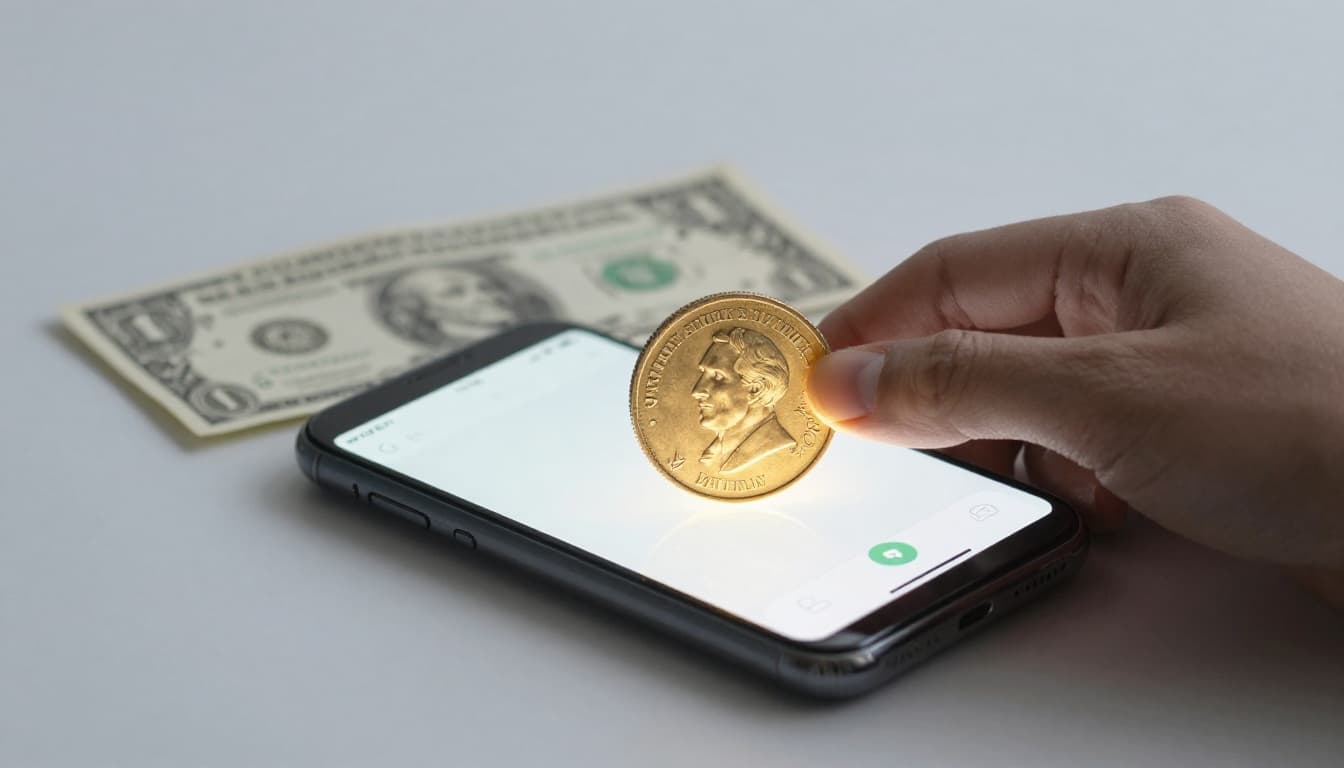
Micro-Subscriptions: Why $1/Month Memberships Are Outperforming Big-Ticket Creator Products
For years, the conventional wisdom in the creator economy followed a predictable playbook. Build an audience, establish your expertise, and then monetize with a high-ticket digital product — a 200-dollar course, a 50-dollar-per-month membership, or a premium coaching program priced in the thousands. This model worked well for the small percentage of creators with large, devoted audiences and strong sales funnels, but it left the vast majority struggling to convert free followers into paying customers. In 2026, a quieter revolution is upending this playbook entirely. Creators across every niche are discovering that micro-subscriptions — memberships priced at just one to three dollars per month — are generating more total revenue, more consistent income, and more loyal communities than the big-ticket products they were told to build. The math seems counterintuitive at first. How can charging one dollar per month possibly compete with selling a 200-dollar course? The answer lies in conversion rates, retention dynamics, audience psychology, and the compounding power of low-friction recurring revenue. The creators who have embraced micro-subscriptions are not just making more money — they are building more sustainable businesses with deeper audience relationships and far less of the launch anxiety that defines the traditional creator monetization model.
The Problem With Big-Ticket Creator Products
The high-ticket digital product model is not broken, but it is deeply flawed for the majority of creators. The core issue is conversion rate. When you ask a social media follower to spend 200 dollars on a course or 50 dollars per month on a premium membership, you are asking them to make a significant financial commitment based on a relationship that exists almost entirely through free content. Even the most engaged followers hesitate at these price points, resulting in conversion rates that typically fall between 1 and 3 percent of an email list and far less of a social media audience. This means a creator with 50,000 Instagram followers might sell their course to a few hundred people at best. The launch model compounds the stress — creators spend weeks or months building anticipation for a single launch event, pour energy into sales sequences and countdown timers, and then experience the emotional rollercoaster of watching sales trickle in over a few days before the window closes. The revenue spike is significant but temporary, and the creator is immediately faced with the pressure of planning the next launch. This feast-or-famine cycle is exhausting, unpredictable, and poorly suited to the kind of sustainable income that allows creators to focus on their craft.
Why One Dollar Changes Everything
The psychological difference between free and one dollar is enormous. It represents the transition from passive consumer to active supporter — a commitment, however small, that fundamentally changes the relationship between creator and audience member. But the psychological difference between one dollar and ten dollars, or one dollar and fifty dollars, is equally significant in the opposite direction. At one dollar per month, the decision to subscribe requires almost zero deliberation. There is no mental accounting, no comparison shopping, no need to justify the expense to a partner or budget. The friction is so low that the decision becomes almost impulsive — closer to tipping a street musician than purchasing a product. This radical reduction in decision friction produces conversion rates that dwarf what big-ticket products achieve. Creators offering one-dollar memberships routinely report conversion rates of 5 to 15 percent of their engaged audience, compared to 1 to 3 percent for expensive products. When you multiply these higher conversion rates across a meaningful audience, the total revenue often equals or exceeds what a high-ticket launch would generate — but it arrives every single month without the stress, uncertainty, and enormous effort of repeated launches.
The Mathematics of Micro-Revenue at Scale
The financial case for micro-subscriptions becomes compelling when you examine the numbers at even modest scale. A creator with 30,000 Instagram followers who converts 5 percent of their audience to a one-dollar monthly subscription generates 1,500 dollars in monthly recurring revenue. That same creator attempting to sell a 200-dollar course to the same audience at a 2 percent conversion rate would gross 12,000 dollars — but only once, and only after weeks of launch effort. The subscription revenue compounds over time as the audience grows. Six months later, with continued audience growth and ongoing conversions, that monthly recurring revenue might reach 3,000 or 4,000 dollars. Within a year, the cumulative subscription revenue surpasses the single course launch. More importantly, it keeps arriving every month with minimal additional effort beyond maintaining the value that subscribers signed up for. At two or three dollars per month, the numbers scale even faster. A creator with 50,000 followers converting 8 percent at three dollars per month generates 12,000 dollars in monthly recurring revenue — the kind of income that replaces a full-time salary and continues growing as the audience expands.
Retention Rates That Defy Expectations
One of the most surprising aspects of micro-subscriptions is their retention performance. Conventional membership wisdom suggests that lower price points attract less committed members who churn quickly. The data from creators running micro-subscriptions in 2026 tells the opposite story. Monthly churn rates for one-dollar memberships typically fall between 3 and 6 percent, which translates to average membership durations of 16 to 33 months. Compare this to premium memberships priced at 30 to 50 dollars per month, which commonly experience churn rates of 8 to 15 percent and average durations of 6 to 12 months. The reason is straightforward — at one dollar per month, the bar for continued subscription is remarkably low. A subscriber does not need to actively use the membership every month to justify keeping it. The cost is so negligible that canceling feels like more effort than it is worth, especially when the subscriber genuinely likes the creator and wants to maintain the sense of connection that the membership provides. This passive retention dynamic means that once a subscriber joins, they tend to stay for a very long time, creating a stable revenue base that grows steadily month over month.
What Micro-Subscribers Actually Receive
The content and access model for micro-subscriptions is deliberately lightweight, which is part of what makes them sustainable for creators. Unlike premium memberships that require a constant stream of exclusive courses, live calls, and high-production content, a one-dollar membership can deliver value through much simpler means. Common offerings include early access to content that will eventually become public, behind-the-scenes glimpses into the creator's process or daily life, a private community space where subscribers can interact with each other and the creator, exclusive polls where subscribers influence upcoming content decisions, monthly Q&A sessions, and simple perks like subscriber-only discount codes for the creator's other products. The key insight is that at one dollar per month, subscribers are not buying a product — they are buying proximity and belonging. They want to feel closer to the creator and to be part of an inner circle, however casual. This means the perceived value comes primarily from access and identity rather than from the volume or sophistication of exclusive content. Creators who try to over-deliver with elaborate exclusive content for their micro-subscribers often burn out unnecessarily because the audience did not need or expect that level of output in the first place.
Platforms Powering the Micro-Subscription Boom
The infrastructure for micro-subscriptions has matured significantly in 2026, making it easier than ever for creators to launch and manage low-cost memberships. Instagram's own subscription feature allows creators to offer subscriber-only content directly within the app, eliminating the friction of sending followers to an external payment platform. Patreon has adapted its model to better support low-tier memberships after years of focusing primarily on higher price points. YouTube memberships, TikTok subscriptions, and Twitch subscriptions all support micro-pricing tiers. Beyond platform-native tools, services like Buy Me a Coffee, Ko-fi, and Gumroad offer simple membership functionality that integrates with social media profiles. The advantage of platform-native subscriptions is frictionless conversion — a follower can subscribe without leaving the app they are already using. The advantage of third-party platforms is greater control over the subscriber relationship, including email access and the ability to migrate subscribers if you change platforms. Many successful creators use both — a native Instagram subscription for casual supporters and a dedicated platform like Patreon for their more engaged community members.
The Community Effect
Micro-subscriptions create a community dynamic that is qualitatively different from what big-ticket products produce. When a subscriber pays 200 dollars for a course, they approach the experience as a consumer expecting a specific return on their investment. The relationship is transactional — deliver what was promised, or face a refund request. When a subscriber pays one dollar per month, the relationship is closer to patronage than consumption. They are supporting a creator they believe in, and the primary reward is the sense of belonging to that creator's inner circle. This shift from transactional to relational dynamics creates communities that are warmer, more forgiving, and more genuinely engaged. Micro-subscribers tend to be enthusiastic advocates for the creator, promoting their content organically because they feel personally invested in the creator's success. They provide feedback that is constructive rather than demanding. They celebrate wins alongside the creator rather than evaluating deliverables against a price tag. This community energy is self-reinforcing — positive, supportive community environments attract more positive, supportive members, creating a virtuous cycle that grows the membership while maintaining its culture.
Micro-Subscriptions as a Gateway Product
Far from replacing big-ticket products, micro-subscriptions can actually enhance sales of premium offerings by serving as a low-risk entry point in a creator's product ecosystem. A follower who has never paid a creator anything faces a massive psychological leap to purchase a 200-dollar course. But a follower who has been paying one dollar per month for six months has already established a financial relationship with the creator, has experienced their content quality firsthand, and has built a level of trust that makes upgrading to a premium product feel natural rather than risky. Smart creators use their micro-subscription as the first step in a value ladder — one dollar per month provides community access and basic perks, a mid-tier offering at 10 to 20 dollars per month delivers more structured educational content, and premium products like courses and coaching programs serve the most committed segment. Each tier feeds the next, with micro-subscribers gradually self-selecting into higher levels of investment as their trust and engagement deepen. This funnel approach converts at dramatically higher rates than trying to sell premium products directly to a cold social media audience.
Pricing Psychology and the Anchoring Effect
The one-dollar price point leverages several powerful psychological principles that work in the creator's favor. The most important is anchoring. When a potential subscriber sees that access to a creator's exclusive community costs just one dollar per month, the price feels absurdly low relative to the perceived value of personal access to someone they follow and admire. This perceived value gap creates a sense of getting a deal that accelerates the subscription decision. The price is also below the threshold of financial pain — most people spend more on a single coffee without thinking about it, which makes the comparison almost automatic. Creators who frame the price in relatable terms amplify this effect. Phrases like "less than a cup of coffee per month" or "the price of a single song download" contextualize the subscription as trivially affordable. There is also a reciprocity dynamic at play. When a creator offers genuine value through their free content, followers naturally want to give something back. A one-dollar subscription provides a socially acceptable way to express gratitude and support without requiring financial sacrifice. This emotional motivation, combined with the negligible cost, creates conversion dynamics that pure rational pricing cannot explain.
Managing Scale Without Burning Out
One legitimate concern about micro-subscriptions is whether the model scales without overwhelming the creator. If you have 2,000 subscribers each paying one dollar per month, you theoretically have 2,000 people expecting some level of exclusive access and engagement. The key to managing this scale sustainably is setting clear expectations from the beginning about what the subscription includes and, just as importantly, what it does not include. A micro-subscription does not promise one-on-one access, unlimited direct messaging, or personalized advice. It promises a specific set of perks — perhaps a private community channel, a monthly exclusive post, and early access to new content — that can be delivered at scale without proportionally increasing the creator's workload. Automating what can be automated is essential. Scheduled exclusive content, automated welcome messages for new subscribers, and self-managing community spaces reduce the operational burden. The time investment for maintaining a well-structured micro-subscription should not exceed two to four hours per month, which is trivial compared to the weeks of effort required to plan, build, and execute a traditional product launch.
Overcoming the Mental Barrier of Charging Small Amounts
Many creators resist the micro-subscription model because charging one dollar per month feels like undervaluing their work. Years of creator economy advice has emphasized premium pricing, and asking for one dollar can feel like admitting that your content is not worth more. This mental barrier is based on a misunderstanding of what micro-subscriptions actually represent. You are not pricing your expertise at one dollar — you are pricing the decision to subscribe at one dollar. The low price is a strategic choice designed to maximize conversion volume and build a recurring revenue base that grows predictably over time. Many creators who charge one dollar per month earn significantly more total revenue than peers who charge 50 dollars per month to a much smaller subscriber base. The per-subscriber revenue is lower, but the total revenue, the stability of that revenue, and the community energy it generates are all superior. Reframing micro-subscriptions as a volume strategy rather than a pricing statement helps creators overcome the psychological resistance and recognize the model for what it actually is — one of the most efficient paths from free content to sustainable income available in the creator economy today.
Real Revenue Patterns From Micro-Subscription Creators
The revenue trajectories of creators who have adopted micro-subscriptions reveal a consistent pattern that illustrates the model's strength. In the first month, revenue is modest — a creator might convert a few hundred followers and generate a few hundred dollars. The initial number can feel disappointing compared to the thousands that a product launch might generate. But unlike a launch, the revenue does not disappear. In month two, new subscribers join while the vast majority of existing subscribers retain, pushing the total higher. By month six, the compounding effect becomes significant. By month twelve, many creators report that their micro-subscription revenue has surpassed what they earned from their last product launch. More importantly, this revenue arrives predictably every month without requiring a new sales effort each time. Creators describe the psychological shift as transformative — instead of the anxiety of wondering whether the next launch will succeed, they experience the calm confidence of knowing that a baseline income is guaranteed and growing. This financial stability allows them to take creative risks, invest in better equipment, and make long-term business decisions that short-term launch revenue never supported.
Combining Micro-Subscriptions With Other Revenue Streams
The micro-subscription model works best not in isolation but as one component of a diversified creator revenue ecosystem. The subscription provides stable, predictable baseline income that covers essential expenses and removes financial anxiety. Brand partnerships and sponsored content provide variable but potentially significant additional revenue. Digital products and courses serve as occasional high-revenue events that supplement the subscription base. Affiliate marketing generates passive income that scales with audience growth. This diversified approach means that no single revenue stream carries the entire weight of the creator's financial needs, which reduces risk and increases overall stability. The micro-subscription specifically enhances other revenue streams by maintaining a warm, engaged audience that is more receptive to product launches, more likely to click affiliate links, and more attractive to brand partners who value demonstrated audience loyalty. A creator who can show a brand that thousands of followers voluntarily pay for access to their content every month has powerful proof of audience commitment that follower counts and engagement rates alone cannot provide.
Conclusion
The rise of micro-subscriptions represents a fundamental shift in how creators think about monetization. For too long, the creator economy has been obsessed with big numbers — big launches, big price tags, big revenue days — while ignoring the quiet power of small, consistent, recurring income. The one-dollar membership model will not make anyone rich overnight, and it is not designed to. It is designed to build a financial foundation that grows predictably, retains reliably, and compounds steadily over time. It lowers the barrier for audiences to support creators they love. It creates communities built on genuine connection rather than transactional expectations. It eliminates the launch anxiety that burns out so many talented creators before they ever reach their potential. And it proves, through consistent real-world results, that the most sustainable path to creator income is not convincing a few people to pay a lot but empowering many people to pay a little. If you have been struggling to monetize your audience with big-ticket products, consider the possibility that your audience has been ready to pay all along — you were just asking for too much at once. Start small. Start at one dollar. And watch what happens when you make support effortless.