Solo Travel Content That Converts: How Single Travelers Are Dominating Instagram
Something remarkable has happened in the travel content space over the past few years. While traditional travel influencers with picture-perfect couple shots and luxury resort partnerships still exist, they are no longer the fastest-growing segment of the niche. Solo travelers — individuals documenting their journeys alone — have quietly become the dominant force on Instagram travel content in 2026. Their posts generate higher engagement rates, their audiences grow faster, and their content drives more saves and shares than nearly any other category within the travel space. The reason is not complicated, but it is deeply human. Solo travel content taps into something that polished couple and group travel content cannot — vulnerability, self-discovery, and the raw honesty of navigating unfamiliar places without a safety net. In a social media landscape where audiences are starving for authenticity, the solo traveler standing alone at a train station in Kyoto or eating dinner by themselves at a Lisbon rooftop restaurant represents something powerful. They represent the viewer's own desire for independence, courage, and adventure. This emotional resonance is what makes solo travel content convert at rates that leave traditional travel creators wondering what they are doing wrong.
Why Solo Travel Content Resonates So Deeply
The psychological appeal of solo travel content operates on multiple levels simultaneously. At the most basic level, it is aspirational — many people dream of traveling alone but are held back by fear, logistics, or social pressure. Seeing someone who looks like them doing it successfully provides both inspiration and implicit permission. At a deeper level, solo travel content creates a uniquely intimate viewing experience. When a creator documents a journey alone, the audience becomes their companion. There is no partner or friend group competing for narrative attention — the viewer steps into the role of the absent travel buddy, experiencing each moment alongside the creator. This parasocial dynamic is far more powerful in solo travel content than in any other travel format because the creator's attention is directed entirely toward the camera and, by extension, the audience. Every observation, every reaction, every moment of wonder or frustration is shared directly with the viewer rather than with an on-screen companion. This creates a sense of personal connection that audiences reward with fierce loyalty, consistent engagement, and the kind of word-of-mouth sharing that money cannot buy.
The Demographics Driving the Trend
The surge in solo travel content is not happening in a vacuum — it reflects broader demographic and cultural shifts that are reshaping both the travel industry and social media consumption patterns. In 2026, solo travel is one of the fastest-growing segments of the global tourism market. Millennials and Gen Z travelers are delaying traditional milestones like marriage and homeownership, creating a large population of single adults with disposable income and a strong desire for experiences over possessions. The remote work revolution has untethered millions of professionals from fixed locations, making extended solo trips logistically feasible in ways they never were before. Women traveling alone, once a niche within a niche, now represent the single largest growth demographic in solo travel. This real-world trend creates both the supply of solo travel creators producing content and the demand from audiences who see solo travel as an achievable and desirable lifestyle. When a significant portion of your potential audience is either already traveling alone or actively planning to, content that speaks directly to that experience has a built-in advantage over content that assumes the viewer is part of a couple or group.
Content Formats That Perform Best for Solo Travelers
Solo travel creators have developed a distinct visual and narrative language that sets their content apart from traditional travel posts. First-person point-of-view Reels — showing the world through the creator's own eyes as they walk through markets, board trains, or discover hidden streets — perform exceptionally well because they place the viewer directly inside the experience. Talking-head videos where the creator addresses the camera directly while sharing real-time thoughts, tips, or emotional reflections generate high comment rates because they feel like a genuine conversation rather than a produced piece of content. Before-and-after transformation content — showing the contrast between the anxiety of arriving alone in an unfamiliar city and the confidence of navigating it days later — resonates deeply because it mirrors the emotional arc that every solo traveler experiences. Practical how-to content — how to eat alone without feeling awkward, how to take your own photos without a tripod, how to meet people in hostels — drives massive saves because it solves specific problems that solo travelers actively search for. The through-line across all of these formats is directness. Solo travel content works best when it feels like one person talking honestly to another, without the performance layer that group travel content often requires.
The Art of Self-Portraiture While Traveling Alone
One of the defining creative challenges of solo travel content is capturing yourself in compelling photos and videos without a dedicated photographer. This challenge has spawned an entire subgenre of content — tutorials on solo travel photography — that itself generates enormous engagement. The practical solutions have become increasingly sophisticated. Portable tripods and smartphone holders allow creators to set up timed shots in virtually any environment. Bluetooth remote shutter releases enable precise control over the moment of capture. The burst mode on modern smartphone cameras produces dozens of frames from a single setup, dramatically increasing the chances of capturing a natural-looking shot. Video content is often easier for solo creators because the camera can be mounted and left running while they move naturally through a scene. Some creators have turned the logistical challenge itself into a content feature, showing behind-the-scenes footage of how they set up and capture their solo shots. This transparency not only provides practical value to aspiring solo travel creators but also reinforces the authenticity that makes solo travel content so appealing — the audience sees the effort behind the final image, which makes the creator feel more relatable and the content feel more earned.
Storytelling Strategies That Build Loyal Audiences
The solo travel creators who build the most devoted audiences are those who understand that their content is not really about the destinations — it is about the inner journey. The places are the backdrop, but the story is personal growth, self-discovery, overcoming fear, and learning to be comfortable with yourself. This narrative framework gives solo travel content an emotional depth that purely destination-focused travel content often lacks. Effective solo travel storytelling follows a character arc across posts, Stories, and Reels. The creator shares their initial anxieties about a trip, documents the challenges and surprises along the way, and reflects on what they learned by the end. Individual posts contribute to a larger ongoing narrative that followers invest in over weeks and months. This serial storytelling approach transforms passive viewers into invested audience members who feel personally connected to the creator's journey and return consistently to see what happens next. The most powerful moments in solo travel content are often the quiet, vulnerable ones — sitting alone in a cafe journaling, admitting to feeling lonely on a train, or calling home from a hotel room. These moments humanize the creator and make the glamorous travel content that surrounds them feel genuine rather than performative.
Monetization Strategies Unique to Solo Travel Creators
Solo travel creators have access to monetization opportunities that are particularly well-suited to their niche and audience. Practical digital products — solo travel packing guides, city itineraries designed for one, safety checklists, and budget templates — sell exceptionally well because they address specific needs that mainstream travel products ignore. Online courses teaching solo travel photography, trip planning for single travelers, or building confidence for first-time solo adventurers tap into the aspirational energy of the audience. Affiliate marketing for travel gear, booking platforms, travel insurance, and safety products converts at high rates because the audience trusts recommendations from someone who actually uses these products while traveling alone. Brand partnerships with luggage companies, travel apps, accommodation platforms, and experience providers are increasingly targeting solo travel creators specifically because they reach a demographic that traditional travel advertising has historically overlooked. Some creators have built community-based revenue models — paid membership groups where solo travelers connect, share advice, and even coordinate meetups — that generate recurring income while deepening the relationship between creator and audience.
Safety Content as a Trust Builder
Safety is the single biggest concern for people considering solo travel, and creators who address it honestly and practically build enormous trust with their audience. Content about staying safe while traveling alone — situational awareness tips, accommodation security advice, emergency preparation, communication strategies, and neighborhood research techniques — consistently ranks among the most saved and shared content in the solo travel niche. The key to effective safety content is balancing realism with empowerment. Creators who present solo travel as danger-free are not credible. Creators who focus exclusively on risks make the lifestyle seem unappealing. The most effective approach acknowledges genuine risks, provides actionable strategies for mitigating them, and frames safety awareness as an empowering skill rather than a source of anxiety. Female solo travel creators in particular have found that safety content is their single most valuable content category for building audience trust and driving follower growth, because it addresses the specific and deeply personal concerns that their predominantly female audience carries. When a creator demonstrates that they take safety seriously, their audience trusts every other recommendation they make — from restaurants to neighborhoods to travel products.
Building Community Among Solo Travelers
One of the apparent contradictions of solo travel content is that it creates some of the strongest online communities on Instagram. People who travel alone are actively seeking connection — with fellow travelers, with experienced solo adventurers, and with others who understand the unique joys and challenges of exploring the world independently. Smart solo travel creators nurture this community energy deliberately. They create Instagram broadcast channels where followers share their own solo travel experiences and ask questions. They host regular Q&A sessions in Stories where aspiring solo travelers can get personalized advice. They encourage followers to share their own photos and stories using branded hashtags, creating a user-generated content ecosystem that extends the creator's reach while making followers feel like active participants rather than passive consumers. Some creators organize in-person meetups in cities they visit, blurring the line between online community and real-world connection. This community-building approach transforms a solo travel account from a one-directional content channel into a vibrant hub where like-minded people gather, share, and support each other — which is exactly the kind of engaged audience that sustains a long-term creator business.
The Solo Travel Aesthetic That Stops the Scroll
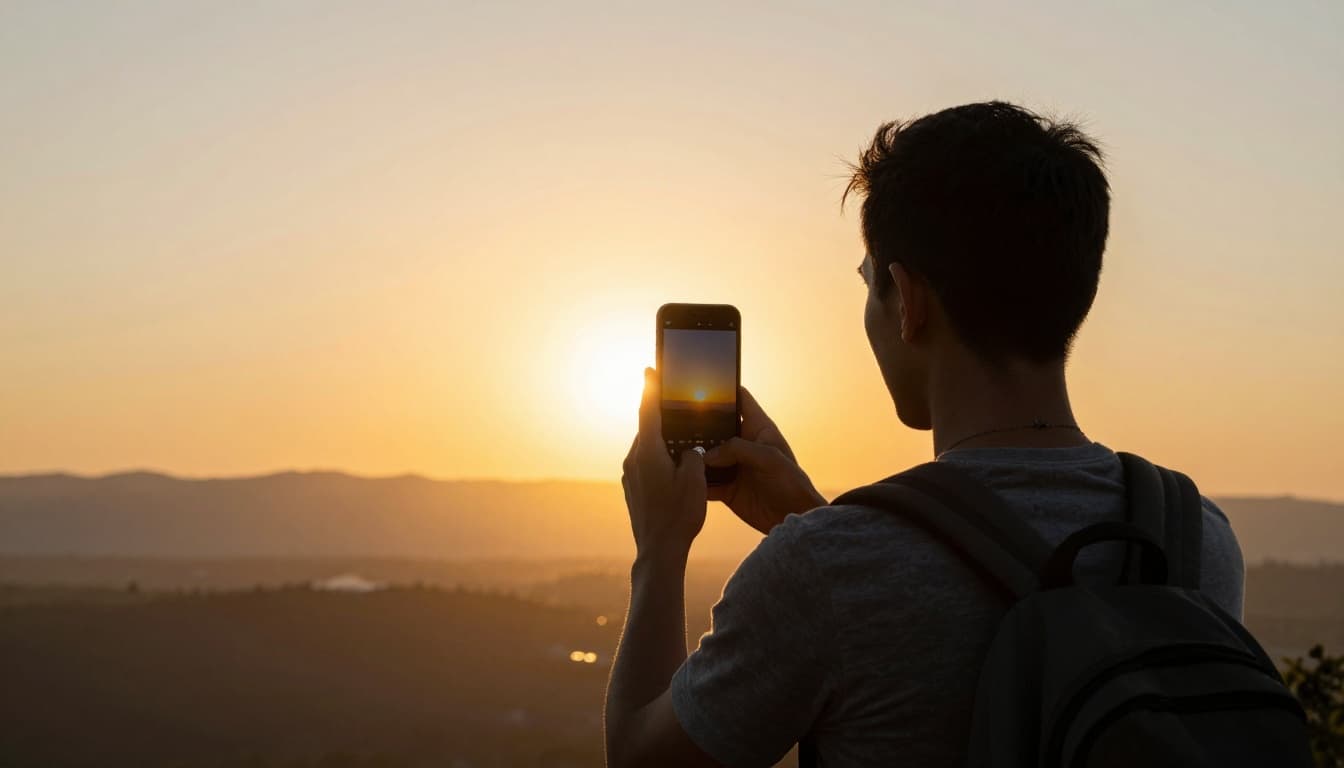
Solo travel content has developed a visual aesthetic that is instantly recognizable and deeply effective at capturing attention in a crowded feed. The defining characteristic is a single figure set against a vast or striking landscape — one person standing on a cliff edge, walking alone through a narrow European alley, or sitting at the edge of an infinity pool overlooking a jungle valley. This visual composition creates an immediate emotional impact because the contrast between the lone figure and the expansive environment evokes both the freedom and the vulnerability of solo travel simultaneously. The aesthetic works across photography and video — drone shots pulling back to reveal a single hiker on a mountain trail, slow-motion Reels of a creator walking through an empty morning market, or intimate close-ups of hands holding a coffee cup on a balcony overlooking a foreign cityscape. The common thread is scale and solitude, framed not as loneliness but as deliberate, chosen independence. This aesthetic has become so popular that it now influences travel content more broadly, with even group travelers staging solo-style shots because the visual language resonates so powerfully with audiences.
Overcoming the Stigma of Traveling Alone
Despite the growth of solo travel culture, a persistent social stigma still exists around doing things alone — eating at restaurants, attending events, visiting attractions, and especially traveling to foreign countries without company. Solo travel creators play a crucial role in dismantling this stigma through the simple act of documenting their experiences with confidence and joy. Every post that shows a creator happily dining alone, exploring a museum at their own pace, or spontaneously changing their itinerary because they felt like it chips away at the cultural narrative that being alone is something to be pitied or corrected. The comment sections on solo travel posts are filled with messages from people who say the content gave them the courage to book their first solo trip or to stop waiting for friends whose schedules never align. This cultural impact extends the value of solo travel content beyond entertainment or inspiration — it genuinely changes how people relate to solitude and independence. Creators who recognize this impact and lean into the destigmatization narrative find that their content carries a sense of purpose that deepens audience loyalty and differentiates them from creators who treat solo travel as merely an aesthetic choice.
Scaling a Solo Travel Brand Long Term
Building a sustainable long-term brand around solo travel requires thoughtful evolution as both the creator and their audience mature. The initial appeal of solo travel content is often rooted in novelty and adventure — the excitement of first experiences, new destinations, and the thrill of independence. But audiences eventually crave depth over novelty, and creators who rely solely on new destinations to maintain interest will find their content increasingly difficult to sustain. The most successful long-term solo travel brands evolve in one of several directions. Some expand into broader lifestyle content that incorporates the solo travel philosophy — independence, intentionality, and self-reliance — into daily life beyond travel. Others deepen into specific niches within solo travel — budget backpacking, luxury solo travel, slow travel, cultural immersion, or wellness-focused journeys. Some transition into education and mentorship, helping aspiring solo travelers plan and execute their own trips. The common thread among durable solo travel brands is that they evolve from documenting experiences to embodying a philosophy that transcends any single trip or destination. When your brand represents a way of approaching life rather than just a way of taking vacations, your audience stays with you regardless of where or whether you are currently traveling.
Conclusion
Solo travel content has emerged as one of the most powerful and fastest-growing niches on Instagram in 2026, and the forces driving its success show no signs of slowing down. The combination of rising solo travel demographics, audience hunger for authentic and vulnerable content, the intimate parasocial dynamic unique to solo creators, and the visually striking aesthetic of solitude in beautiful places creates a content category that outperforms on virtually every metric. For creators considering this space, the barriers to entry are remarkably low — you do not need a partner, a production team, or a luxury budget. You need a willingness to travel on your own terms, a smartphone, and the courage to share your experience honestly with an audience that is eager to connect with someone who understands what it feels like to navigate the world alone. The solo travel creators who will dominate the next era of Instagram are those who combine practical value with emotional depth, who build genuine community around shared experience, and who treat their solo journey not as a limitation to work around but as the single greatest advantage they possess. In a sea of curated perfection, one honest voice traveling alone cuts through the noise like nothing else.