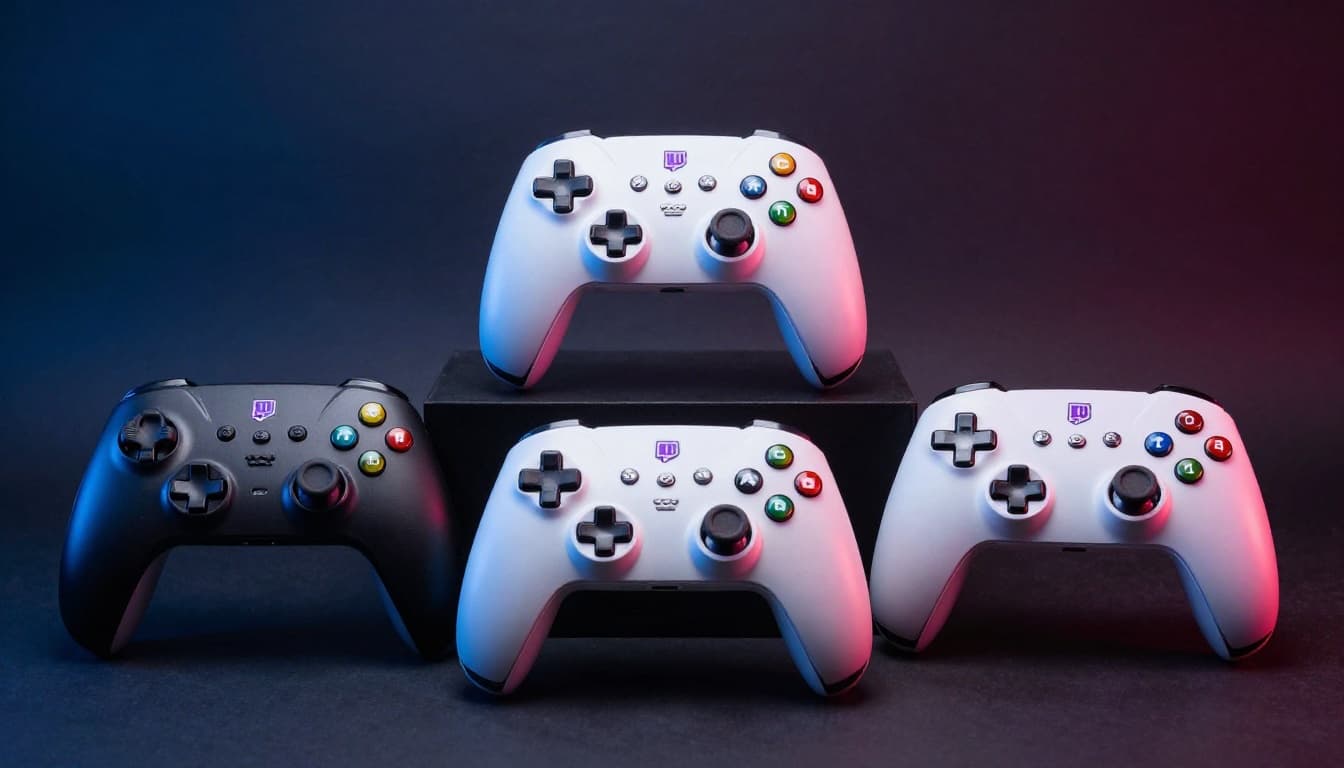
Twitch vs. YouTube Gaming vs. Kick: Where Should New Streamers Start in 2026?
The live streaming landscape in 2026 looks dramatically different from just a few years ago. What was once a near-monopoly dominated by Twitch has evolved into a genuine three-platform competition, with YouTube Gaming and Kick each carving out significant market share and offering unique value propositions for creators. For new streamers trying to decide where to invest their time and energy, this competition is both a blessing and a challenge. More options mean more opportunities, but they also mean more complexity in making the right choice. The platform you choose as a new streamer will influence your discoverability, your revenue potential, your community culture, and your long-term career trajectory. Choosing wrong does not mean failure — you can always switch or multistream — but choosing right gives you a meaningful head start. This comprehensive comparison examines every factor that matters to new streamers in 2026, from monetization structures and audience demographics to community features and content policies, so you can make an informed decision based on data rather than hype.
Platform Overview: Where Things Stand in 2026
Twitch remains the largest dedicated streaming platform by total viewership hours and active streamers, but its dominance has eroded significantly. The platform's reputation as the home of live streaming still carries weight, and its cultural influence on streaming conventions — raids, hype trains, channel points, emotes — continues to shape how all platforms approach the streaming experience. YouTube Gaming has leveraged the massive existing YouTube ecosystem to become a formidable competitor, offering streamers access to the world's second-largest search engine and a recommendation algorithm that is arguably the most sophisticated in the industry. Kick, the newest major entrant, has disrupted the market by offering dramatically better revenue splits and fewer content restrictions, attracting high-profile streamers and building a rapidly growing audience that skews younger and more engaged. Each platform has distinct strengths and weaknesses, and the best choice depends on your specific goals, content style, and priorities as a creator.
Monetization Compared: How You Actually Get Paid
Monetization is typically the most important factor for streamers choosing a platform, and this is where the three platforms differ most dramatically. Twitch offers multiple revenue streams for qualified streamers: subscriptions at various tiers, bits (a virtual currency viewers purchase to cheer with), and advertising revenue. Twitch's standard revenue split for most streamers is fifty percent — meaning Twitch keeps half of every subscription dollar. Top-tier partners may negotiate better splits, but for new streamers, the fifty-fifty split is the baseline reality. YouTube Gaming integrates with the broader YouTube monetization system, including Super Chats, Super Stickers, channel memberships, and most notably, advertising revenue that runs on both live streams and the automatically generated VODs. YouTube's standard revenue split is seventy-thirty in the creator's favor for most monetization features, which is significantly more generous than Twitch's default. Kick has made its revenue split the centerpiece of its pitch to creators, offering a ninety-five to five split that gives streamers the vast majority of their earnings. This aggressive split has been Kick's primary tool for attracting established streamers from competing platforms.
| Feature | Twitch | YouTube Gaming | Kick |
|---|---|---|---|
| Revenue Split | 50/50 (standard) | 70/30 | 95/5 |
| Subscription Tiers | $4.99 / $9.99 / $24.99 | $0.99 - $49.99 | $4.99 (standard) |
| Minimum Payout | $50 | $100 | $50 |
| Ad Revenue | Yes (partner/affiliate) | Yes (strong) | Limited |
| Virtual Tipping | Bits | Super Chats / Super Stickers | Kick Tips |
| Affiliate/Partner Requirements | 50 followers, 7 streams | 1,000 subscribers, 4,000 hours | 75 followers, 5 hours streamed |
| Exclusivity Required | No (removed 2023) | No | No |
| VOD Monetization | Limited | Strong (YouTube integration) | Growing |
Discoverability: Can New Streamers Actually Get Found?
Discoverability is where the platforms diverge most sharply, and it is arguably the most critical factor for new streamers who do not already have an established audience. Twitch's discovery system has been its most persistent weakness. The platform primarily surfaces content through browse categories sorted by viewer count, which creates a rich-get-richer dynamic where top streamers dominate visibility and new streamers with zero to five viewers are buried at the bottom of infinitely scrolling lists. Twitch has made incremental improvements with features like tags, recommended channels, and shelf placements, but the fundamental architecture still heavily favors established streamers. YouTube Gaming has a massive advantage in discoverability thanks to its recommendation algorithm and search engine integration. When you stream on YouTube, your content can be discovered not just by people browsing live streams but by anyone searching for related topics on YouTube or even Google. Your stream VODs automatically become searchable videos that can generate views and subscribers long after the live broadcast ends. This evergreen discoverability is something neither Twitch nor Kick can match. Kick's discovery system is still maturing, but the platform's smaller streamer base means that new creators face less competition for visibility within browse categories.
Community Features and Viewer Experience
The community and social features surrounding a streaming platform significantly impact how streamers build and maintain their audience. Twitch has spent over a decade refining its community tools, and it shows. Channel points, predictions, polls, raids, hype trains, and an elaborate emote ecosystem create layers of interaction that keep viewers engaged and give streamers tools to foster community identity. Twitch's chat culture is deeply established, with its own language, norms, and traditions that viewers instinctively understand. The platform's third-party extension ecosystem — tools like BetterTTV, FrankerFaceZ, and StreamElements — adds additional functionality that streamers can customize to create unique channel experiences. YouTube Gaming's community features are competent but less specialized. Chat, memberships, Super Chats, and polls cover the basics, but the experience lacks the depth and personality of Twitch's community tools. However, YouTube offers something the others cannot — integration with the broader YouTube ecosystem, including community posts, Shorts, and long-form video, which allows streamers to engage their audience across multiple content formats. Kick has invested heavily in chat and community features, drawing inspiration from Twitch's model while adding its own innovations. The platform's chat experience is responsive and feature-rich, though the third-party ecosystem is still developing.
Audience Demographics and Culture
Understanding who watches on each platform helps you determine where your content will resonate most strongly. Twitch's audience skews toward eighteen to thirty-four year olds, with a strong gaming-first culture that has gradually expanded to include just chatting, music, creative content, and even cooking streams. The Twitch audience is deeply knowledgeable about streaming conventions and expects a certain level of production quality and chat interaction from the streamers they support. YouTube Gaming attracts a broader demographic range, including older viewers who may not identify as gamers but enjoy watching live content from creators they already follow for other types of videos. This broader appeal makes YouTube Gaming particularly attractive for streamers whose content crosses into education, commentary, technology, or lifestyle categories. The audience expectation is often shaped more by YouTube video culture than traditional streaming culture, which means viewers may be more patient with longer-form content and less focused on rapid chat interaction. Kick's audience is the youngest of the three platforms, with a strong presence of viewers under twenty-five who are drawn to the platform's edgier content policies and the high-profile streamers who have migrated there. The culture is energetic, meme-driven, and less constrained by the community guidelines that shape behavior on Twitch and YouTube.
Content Policies and Creative Freedom
Content policies matter more than many new streamers realize, because they define the boundaries of what you can create and how you can interact with your audience. Twitch has progressively tightened its content policies over the years, implementing stricter guidelines around sexual content, gambling streams, and language. While these policies are intended to create a brand-safe environment that attracts advertisers, they have frustrated many creators who feel that enforcement is inconsistent and that the rules change without adequate notice or transparency. YouTube Gaming operates under YouTube's broader community guidelines, which are well-documented but notoriously enforced through automated systems that can generate false strikes and demonetization. The advantage of YouTube's policies is their relative predictability — the rules are clear even if the enforcement is imperfect. The disadvantage is that YouTube's policies are among the most restrictive in the industry when it comes to content that discusses sensitive topics, which can impact commentary and news-focused streamers. Kick has positioned itself as the platform of creative freedom, with fewer content restrictions than either competitor. This has been a significant draw for streamers who felt constrained by Twitch's evolving policies, though Kick has gradually introduced more structured guidelines as the platform has grown and attracted mainstream attention.
Technical Requirements and Stream Quality
From a technical standpoint, all three platforms support high-quality streaming up to 1080p at sixty frames per second for most creators, with 4K support available on YouTube for qualifying channels. Twitch's transcoding — the feature that allows viewers to select lower quality options if their internet connection is limited — is guaranteed for partners but inconsistently available for affiliates and non-partnered streamers. This means that new Twitch streamers who broadcast at high bitrates may inadvertently exclude viewers with slower connections. YouTube provides transcoding for all live streams regardless of channel size, which is a meaningful advantage for new streamers broadcasting to a global audience with varying internet speeds. Kick provides transcoding for all streamers as well, having recognized the competitive advantage this offers in attracting new creators. All three platforms support standard streaming software like OBS Studio, Streamlabs, and XSplit, so your existing setup will work regardless of which platform you choose. The technical barrier to entry is essentially identical across all three platforms, making this a non-factor in most platform decisions.
Multi-Streaming: Do You Have to Choose Just One?
One of the most significant changes in the streaming landscape is the collapse of exclusivity requirements. Twitch dropped its exclusivity clause for most streamers in 2023, and neither YouTube Gaming nor Kick require exclusivity for non-contracted creators. This means you can theoretically stream simultaneously to all three platforms using tools like Restream or similar multi-streaming services. Multi-streaming sounds like the perfect solution — why choose one platform when you can broadcast everywhere? In practice, however, multi-streaming has significant trade-offs. Managing chat across three platforms simultaneously is chaotic and dilutes the quality of your community interaction. Platform-specific features like Twitch channel points or YouTube Super Chats become harder to leverage effectively when your attention is divided. And most importantly, algorithms on all platforms tend to favor creators who are fully invested in their ecosystem rather than splitting their presence. For new streamers, a more effective approach is to choose one primary platform for your live streams while using the others for supplementary content — for example, streaming live on Kick while uploading edited highlights to YouTube and clips to TikTok.
Making Your Decision: A Framework for New Streamers
Rather than declaring one platform objectively superior, the right framework is to match your specific priorities with each platform's strengths. Choose Twitch if community depth is your top priority. Twitch's community tools, chat culture, and established streaming conventions create the richest interactive experience for streamers who thrive on real-time audience connection. The platform is also the best choice if you are streaming content in established gaming categories where Twitch's browse-by-category system aligns with how your target audience discovers content. Choose YouTube Gaming if long-term discoverability and content versatility matter most to you. The ability to have your streams automatically become searchable videos that continue generating views and subscribers indefinitely is a massive advantage for creators playing the long game. If your content style blends live streaming with educational, commentary, or entertainment content, YouTube's ecosystem gives you the most complete toolkit. Choose Kick if maximizing your revenue per viewer is your priority and you want to enter a growing platform where lower competition gives new streamers more visibility. The ninety-five percent revenue split is genuinely transformative for streamers who can build even a modest subscriber base, and the platform's continued growth suggests that early adopters may benefit from a first-mover advantage.
Conclusion
There has never been a better time to start streaming because the competition between Twitch, YouTube Gaming, and Kick has created unprecedented opportunities for new creators. Each platform offers genuine advantages, and no single platform is the universally correct choice for every streamer. Evaluate your priorities honestly — do you value community depth, long-term discoverability, or maximum revenue? Consider your content style, your target audience, and your long-term goals. Start with one platform, commit to it for at least three to six months, build your skills and your audience, and then expand to additional platforms if it makes strategic sense. The streamers who succeed in 2026 are not necessarily the ones who chose the right platform — they are the ones who showed up consistently, engaged authentically with their community, and continuously improved their craft regardless of where they broadcast. Pick your platform, go live, and start building.