VTubers Explained: How Virtual Avatars Are Taking Over the Streaming World
A new kind of entertainer has risen to dominate streaming platforms, and they do not show their face. VTubers — virtual YouTubers and streamers who perform behind animated digital avatars — have exploded from a niche Japanese phenomenon into a global entertainment force generating hundreds of millions of dollars annually. The biggest VTubers command audiences rivaling traditional celebrities, with fan bases that span continents, languages, and cultures. What started as a curious experiment in combining anime aesthetics with live streaming has evolved into a legitimate career path attracting thousands of new creators every year. Whether you are a viewer trying to understand the appeal or a creator considering the virtual route, this guide will walk you through everything you need to know about the VTuber revolution.
What Exactly Is a VTuber?
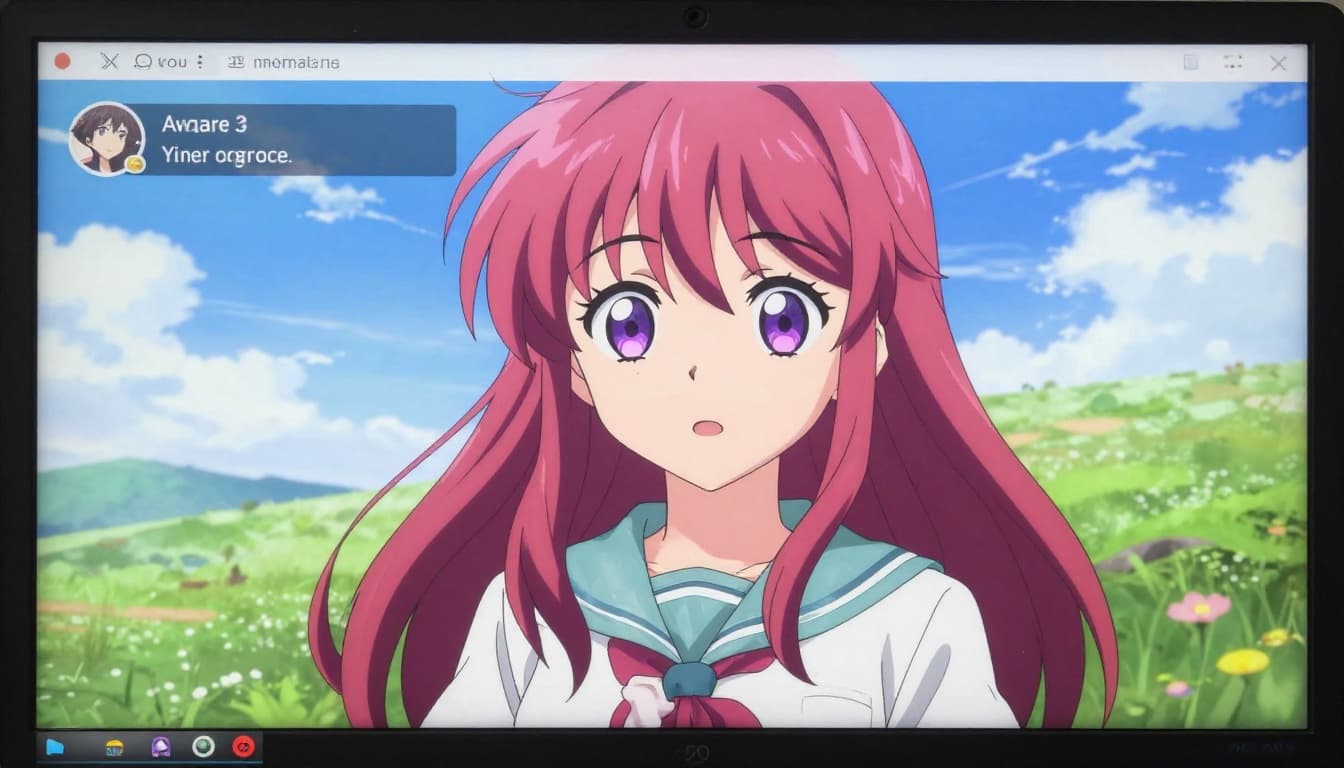
A VTuber, short for Virtual YouTuber, is a content creator who uses a computer-generated avatar instead of showing their real face on camera. The avatar is typically rendered in an anime-inspired art style, though designs range from realistic humanoids to fantastical creatures, robots, and entirely abstract characters. The avatar tracks the creator's real facial expressions and body movements in real time using specialized software and hardware, creating the illusion of a living, breathing animated character that reacts naturally to conversation, gameplay, and audience interaction.
The term originated in Japan with Kizuna AI, who is widely considered the first VTuber. Launching her channel in 2016, Kizuna AI introduced the concept of a virtual character with an independent personality who created content just like a human YouTuber. Her videos blended scripted content with improvised reactions, and her cheerful, slightly chaotic personality won millions of fans. The concept proved that audiences would form genuine parasocial relationships with characters they knew were not real people — a psychological dynamic that turned out to be far more powerful than anyone initially predicted.
The Technology Behind Virtual Avatars
The technology powering VTubers has become remarkably accessible in recent years, though it spans a spectrum from simple to highly sophisticated setups. At the most basic level, VTubing requires three components: an avatar model, tracking software to capture the creator's movements, and streaming software to broadcast the result to an audience. The two dominant approaches are 2D avatars using Live2D technology and 3D avatars using real-time motion capture.
Live2D is a Japanese animation technology that takes a flat, illustrated character design and rigs it with a mesh of control points, allowing it to move and deform in ways that simulate three-dimensional movement. When combined with face-tracking software like VTube Studio, a Live2D avatar can mirror the creator's head tilts, eye movements, mouth shapes, blinks, and eyebrow raises with surprising accuracy. The tracking is typically done through a standard webcam or even an iPhone's TrueDepth camera, which uses infrared depth sensing for more precise facial tracking. This approach is favored by most VTubers because it produces visually polished results at a relatively low cost.
Full 3D VTubing uses three-dimensional character models similar to those found in video games. Software like VSeeFace, VMagicMirror, and proprietary tools from agencies like Hololive render these 3D models in real time, tracking not just facial expressions but full upper-body or even full-body movement. High-end setups use dedicated motion capture suits and hand-tracking devices like the Leap Motion controller to capture finger movements, gestures, and physical comedy. Some professional VTubers use full-body tracking systems with base stations and trackers strapped to their limbs, enabling their avatars to dance, perform physical stunts, and interact with virtual environments in ways that rival professional animation studios.
The Biggest VTubers in the World
The VTuber ecosystem has produced genuine superstars whose influence and earning power rival traditional entertainment figures. Gawr Gura, a member of the Hololive English branch, became the most-subscribed VTuber on YouTube, surpassing four million subscribers with her endearing, chaotic shark-themed persona. Her debut stream broke records, and her karaoke streams regularly attract tens of thousands of concurrent viewers. Despite streaming from behind an animated avatar, she has appeared on billboards in Times Square and collaborated with major brands.
Ironmouse, an independent VTuber who later joined the VShojo agency, holds the record for the most-subscribed Twitch streamer in the VTuber space. Her story is particularly compelling because she began VTubing in part due to a chronic illness that limited her ability to leave her home. The virtual avatar gave her a means of creative expression and connection that her physical circumstances made difficult, and her audience connected deeply with her authenticity and energy. Nijisanji, another major Japanese VTuber agency, has produced stars like Salome Hyakumantenbara, who gained one million YouTube subscribers within two weeks of her debut — a feat virtually unheard of in any content creation category.
| VTuber | Agency | Platform | Notable Achievement |
|---|---|---|---|
| Gawr Gura | Hololive EN | YouTube | Most-subscribed VTuber (4M+) |
| Ironmouse | VShojo | Twitch | Most-subscribed VTuber on Twitch |
| Salome Hyakumantenbara | Nijisanji | YouTube | 1M subscribers in 2 weeks |
| Kizuna AI | Independent (retired) | YouTube | First-ever VTuber (2016) |
| Shoto | Independent | Twitch/YouTube | Top independent male VTuber |
| Mori Calliope | Hololive EN | YouTube | Billboard-charting music releases |
Why the Format Appeals to Audiences
Understanding why VTubers have captivated millions requires looking beyond the technology to the psychology of the viewer experience. At its core, VTubing offers something paradoxical: a more intimate connection through a layer of artificial separation. The avatar creates a character that is simultaneously the creator and not the creator — a persona that allows for exaggerated reactions, fantastical backstories, and emotional expression that many real-face creators find difficult to deliver authentically. Audiences do not experience the avatar as a barrier to connection. Instead, they experience it as a unique form of storytelling that blends the appeal of anime characters with the spontaneity of live streaming.
The format also attracts viewers who are drawn to character-driven entertainment rather than personality-driven content. Traditional streamers sell themselves — their appearance, their lifestyle, their personal brand. VTubers sell a character, which opens up creative possibilities that feel constrained when tied to a real human face. A VTuber can be a demon queen, a time-traveling detective, or a deep-sea creature without the audience needing to suspend disbelief. The lore and world-building around VTuber characters create a fictional framework that deepens engagement, encourages community storytelling, and gives fans additional creative material to work with through fan art, fan fiction, and community events.
Getting Started as a VTuber
Breaking into VTubing has become significantly more accessible than it was even two years ago, thanks to improved software, cheaper hardware, and a growing community of resources and tutorials. The first step is designing your character. You can commission a custom Live2D model from an artist, which typically costs between $500 and $5,000 depending on the artist's reputation and the complexity of the design. Budget options include using free or low-cost pre-made models from platforms like Booth or Nizima, which offer ready-to-use avatars for as little as $20 to $100.
Once you have an avatar, you need tracking and streaming software. VTube Studio is the most popular Live2D tracking application and is available for free on Steam with optional paid features. For 3D models, VSeeFace is a free tool that provides solid tracking using just a standard webcam. OBS Studio, also free, handles the streaming and recording side, allowing you to composite your avatar over gameplay footage, chat windows, or custom backgrounds. An iPhone with Face ID capabilities can serve as a high-quality face tracker when paired with apps like iFacialMocap, which sends tracking data wirelessly to your computer. The total minimum investment for a basic VTubing setup can be as low as $100 to $300 if you use pre-made assets and free software.
Agencies vs. Going Independent
One of the biggest decisions aspiring VTubers face is whether to join an agency or go independent. Major agencies like Hololive, Nijisanji, and VShojo offer significant advantages: established audiences, professional production support, collaboration opportunities with other popular VTubers, brand deal connections, and structured debut events that can launch a new VTuber to thousands or even millions of viewers overnight. Agency VTubers benefit from the organization's marketing power and community infrastructure from day one.
However, agencies also take a substantial cut of earnings — reportedly thirty to fifty percent in many cases — and impose contractual obligations regarding streaming schedules, content guidelines, and intellectual property ownership. In most agency models, the VTuber character belongs to the agency, not the creator. If a creator leaves the agency, they lose their character, their subscriber base, and all the content associated with that persona. This has led to high-profile departures and community controversies, particularly when beloved VTubers graduate (the industry term for leaving an agency) and must start over from scratch under a new identity.
Independent VTubers retain full ownership of their character and earnings but must build their audience entirely through their own efforts. The independent path is slower and requires more self-promotion, but the growing size of the VTuber community means that talented independents can still find success. Platforms like Twitch and YouTube have become increasingly friendly to VTuber content, and the audience's willingness to discover new virtual creators has grown substantially as the medium has matured.
Costs of Becoming a VTuber
Understanding the financial investment required is crucial for anyone considering this path. The costs vary dramatically based on your ambitions and quality standards. A basic setup using free software and a pre-made model can cost under $200. A mid-range setup with a custom Live2D model, quality microphone, and webcam tracking runs between $1,000 and $3,000. A professional-grade setup with a fully rigged 3D model, motion capture equipment, and studio-quality audio can easily exceed $10,000.
| Setup Level | Avatar Cost | Hardware | Software | Total Estimate |
|---|---|---|---|---|
| Beginner | $20 - $100 (pre-made) | Webcam + mic ($50 - $150) | Free (VTube Studio, OBS) | $100 - $300 |
| Intermediate | $500 - $2,000 (custom Live2D) | iPhone + mic ($200 - $500) | Free + optional paid features | $800 - $3,000 |
| Professional | $2,000 - $5,000+ (custom 3D) | Motion capture + studio audio ($1,000 - $5,000) | Professional tools ($100 - $500) | $5,000 - $15,000+ |
The ongoing costs are relatively modest. Software subscriptions, if any, are minimal. The primary ongoing investment is time — VTubing, like all streaming, demands consistency. Most successful VTubers stream three to five times per week for three to five hours per session. The content creation demands are identical to traditional streaming, with the added complexity of managing the technical aspects of avatar tracking and troubleshooting software issues that can interrupt live broadcasts.
Cultural Impact: From Japan to the World
The VTuber phenomenon originated in Japan, and its cultural DNA remains deeply rooted in Japanese entertainment traditions. The concept draws from a long history of character-driven media in Japanese culture — from manga and anime to virtual idols like Hatsune Miku, the Vocaloid character who has performed holographic concerts to stadium-sized audiences since 2009. Japan's comfort with characters as independent cultural entities, separate from the humans who create or voice them, provided fertile ground for VTubers to emerge.
The global expansion of VTubing has been remarkable. Hololive's English branch launched in 2020 and immediately attracted massive audiences, proving that the appeal of virtual avatars transcended Japanese cultural context. VShojo, an American VTuber agency, demonstrated that the model could work outside the Japanese industry framework. Spanish-speaking, Korean, Indonesian, and other language communities have developed thriving VTuber ecosystems of their own. The medium has influenced broader content creation trends, with even traditional streamers experimenting with avatar overlays, animated intros, and character-driven branding inspired by VTuber culture. Major entertainment companies, game studios, and consumer brands now regularly collaborate with VTubers, signaling that the format has achieved mainstream commercial legitimacy.
Conclusion
VTubers represent one of the most fascinating evolutions in content creation history. They have proven that audiences do not need to see a real face to form deep, loyal connections with a creator. They have demonstrated that the line between character and creator can be productively blurred, opening creative possibilities that traditional content formats cannot match. The technology has become accessible enough for anyone with a computer and a basic webcam to experiment with virtual avatars, while the ceiling for production quality continues to rise as motion capture and real-time rendering technologies advance. Whether VTubing becomes the default format for online entertainment or remains a vibrant niche alongside traditional content creation, its impact on streaming culture is already permanent. For creators considering the leap, the barriers have never been lower, the audience has never been larger, and the creative possibilities have never been more exciting.